
Feather, down, wool and synthetic duvets cleaned properly, without
the risk of ruining the filling at home.
The Safe Way to Clean Your Duvet
Our Experience
Serving the local Ilford community with
excellence.
Duvets We Clean
Why the Filling Changes Everything
The right way to clean a duvet depends entirely on what is inside it. Natural fillings like feather,down and wool hold moisture and must be dried fully and evenly, or the filling can spoil and theduvet ends up lumpy or smelling damp. Synthetic fillings are more forgiving but need space to moveand dry, which a packed home machine rarely gives them. We identify the filling, follow the carelabel, and use the right process and proper drying for each one. That is the difference between aduvet that comes back fresh and fluffy and one that comes back ruined.
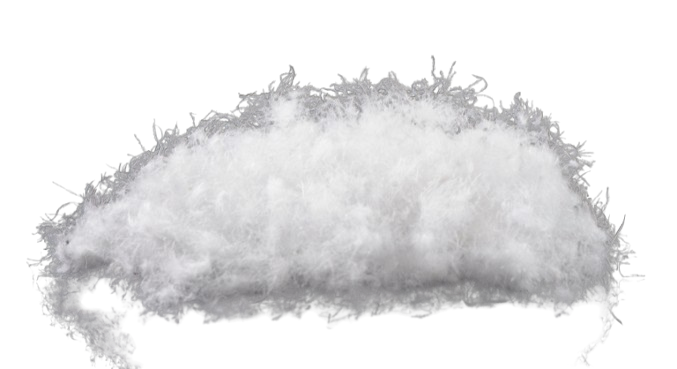
Fresh, Fluffy, Hygienic Duvets
Located in the heart of Ilford

Cleaner Sleep, Fewer Allergens
How Often Should You Clean a Duvet?
Duvet Cleaning Prices
Duvet cleaning starts from £22.50, with feather duvets from £55. See the full list.
Frequently Asked Questions
Free Collection & Delivery in Ilford
Duvets are bulky and awkward to carry, so let us come to you. We offer free collection and deliveryon orders over £100 across Ilford and the surrounding areas. Call us to arrange a time, or drop yourduvet into 85 Ilford Hill.
